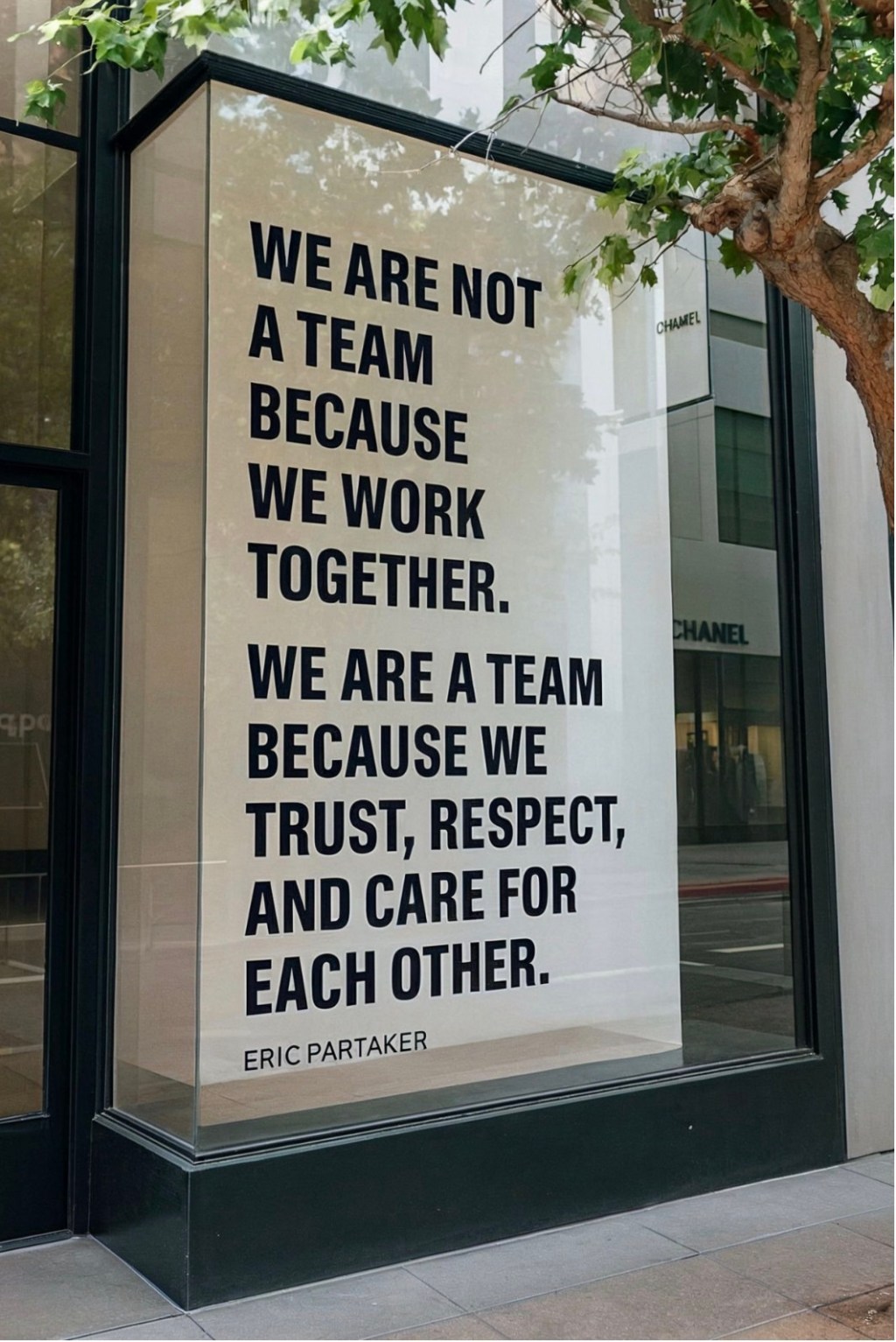
• BUILDING A STRONG TEAM…By Eric Partaker

    The strongest teams I know barely talk about being a team.

    They’re too busy having each other’s backs.

    Watch them work and you’ll notice something special.

    No one keeps score. Everyone just shows up.

    For each other. Every single day.

    Most people think great teams happen because of:

    — Shared goals
    — Clear processes
    — Regular meetings
    — Team activities

    But that’s just the surface.

    Real teams are built on something deeper.

    1. Trust that runs both ways:

    When someone says “I need help,” others don’t ask why.

    They ask “What do you need?”

    1. Respect that shows up daily:

    Everyone’s voice matters.

    From the newest hire to the CEO.

    Ideas win. Not titles.

    1. Care that goes beyond work:

    They know each other’s kids’ names.

    They celebrate personal wins.

    They show up during life’s hard moments.

    💡 How do the best leaders build this?
    ✓ Model vulnerability first
    Share your own struggles. It gives others permission.

    ✓ Celebrate trust moments
    When someone admits a mistake, thank them publicly.

    ✓ Create psychological safety
    Make it safe to disagree, question, and innovate.

    ✓ Protect the culture fiercely
    Address toxic behavior immediately. No exceptions.

    ✓ Invest in relationships
    Make time for real conversations, not just status updates.

    The magic happens when your team stops thinking:

    “What’s in it for me?” and starts thinking:
    “How can I help?”

    That shift changes everything.

    Because when people truly care for each other, work stops feeling like work.

    It feels like building something amazing with people who matter.

    P.S. Think of the best team you’ve ever been part of. What made it special?

    📌 P.S. Want 100 cheat sheets & leadership resources? Get them here for free: https://lnkd.in/eb2BbK-9

    ♻ Repost to inspire a leader in your network.
    Follow for more on kind leadership.
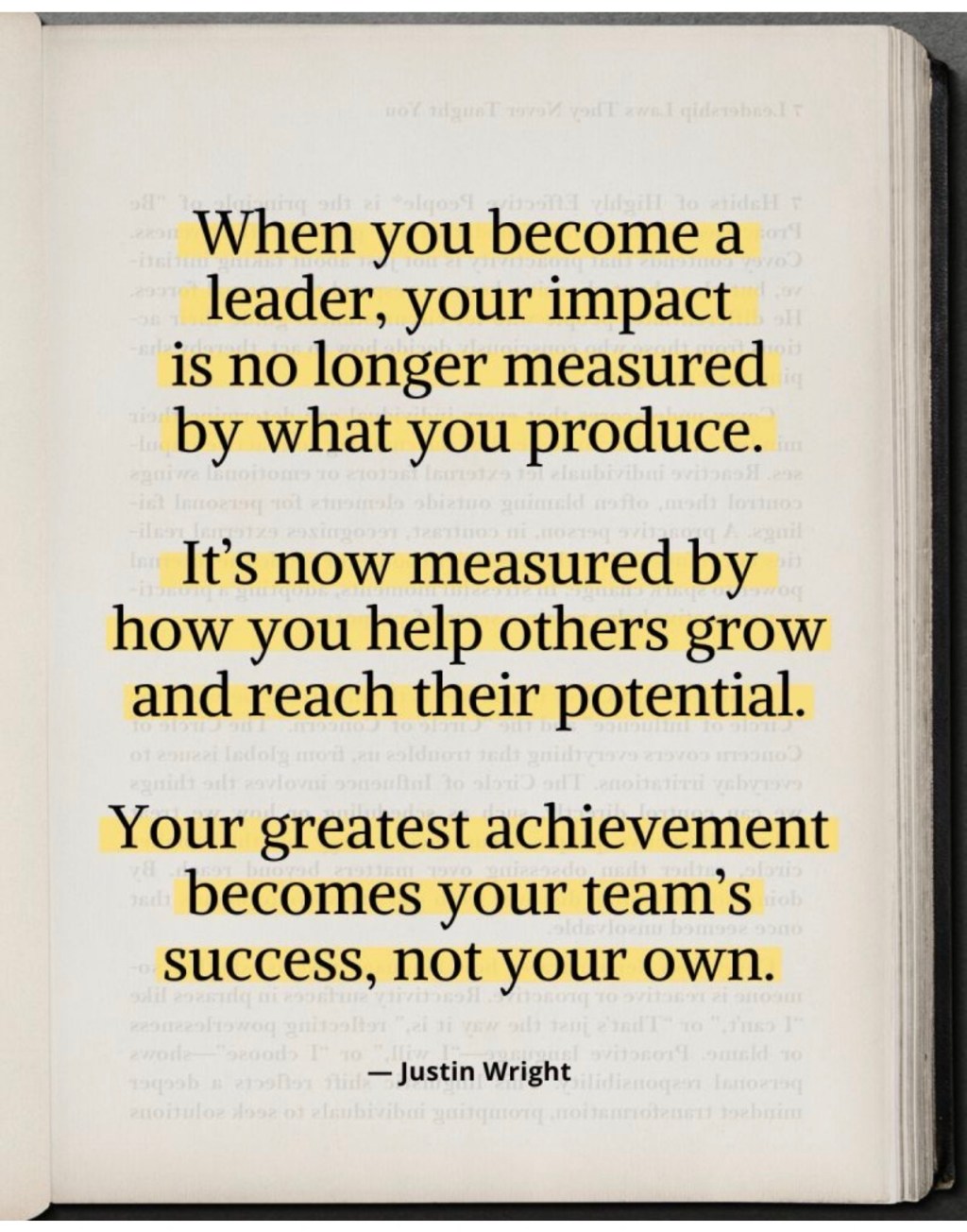
  • SHINE THE LIGHT ON OTHERS…By Justin Wright

    I made my biggest leadership mistake on day one.

    I was so proud of that promotion.

    Now I’m in the spotlight, I thought.

    Until I eventually learned…

    Leadership is all about shining a light on others.

    When you become a leader, your impact is no longer measured by what you produce.

    It’s now measured by how you help others grow and reach their potential.

    Your greatest achievement becomes your team’s success, not your own.

    You see, leadership isn’t about:
    ➟ Being the loudest voice in the room
    ➟ Taking credit for your team’s work
    ➟ Having an answer for everything

    Instead, it’s about:

    ➟ Amplifying the quiet voices
    ➟ Celebrating your team’s wins
    ➟ Creating space for their growth

    Great leaders invest in their people daily.

    They see potential before others do.

    They push you when you need pushing.
    And support you when you need supporting.

    Try asking your team:

    “What’s one obstacle I can remove for you this week?”
    “What skill do you want to develop next?”

    When someone doubts themselves, remind them of their past wins. Their hidden strengths.

    A single “I believe in you” can change everything.

    Because at its heart, leadership is simple:

    Your job isn’t to be the best person on the team.

    It’s to bring out the best in everyone else.

    ♻️ Agree? Repost to inspire other leaders. Thanks!

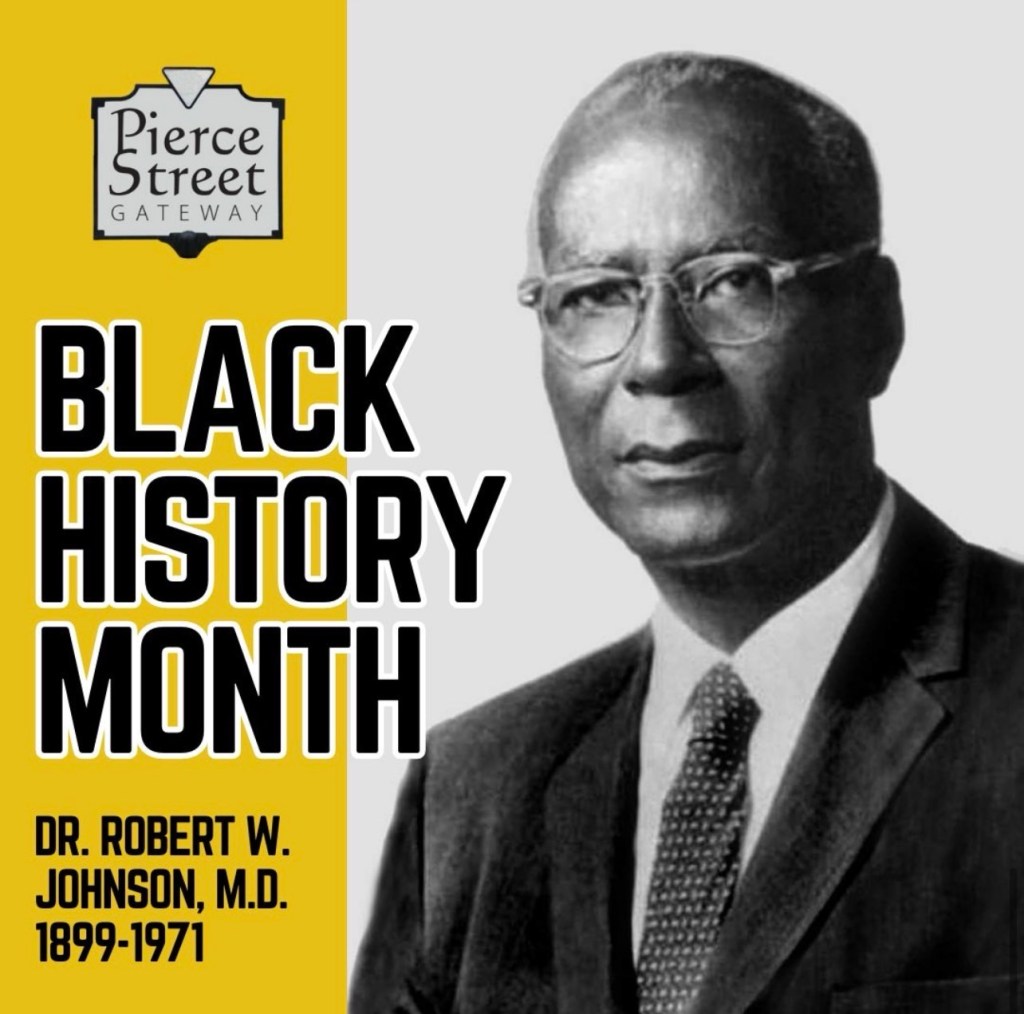
  • “Pierce Street in the Harlam Renaissance District in Lynchburg is one of the most historic streets in North America.” 🇺🇸

    ROBERT WALTER “WHIRLWIND” JOHNSON, M.D. (1899–1971), was a physician, avid tennis player, and coach. He spent most of his professional career at his home on Pierce Street, where he built a clay tennis court and founded the Junior Development Program with support from the American Tennis Association. He recruited and hosted promising African American youth, many of whom lived in his home, and practiced and trained every day during the summers. Among them were Wimbledon champions Althea Gibson and Arthur Ashe.

    Many of the players he coached went on to college, some with financial help from Dr. Johnson. He is credited with integrating tennis, but his most enduring legacy is instilling the highest standards of sportsmanship in the play of his students. In 2009, Dr. Johnson was inducted into the International Tennis Hall of Fame.

    Dr. Johnson was nicknamed “Whirlwind” for his quickness on the football field at Lincoln University, where he was named an All-American. He received his medical training at Meharry Medical School in Nashville, TN, and practiced medicine from his office on Fifth Street in Lynchburg, VA. He was the first African American to earn staff privileges at Lynchburg General Hospital. His many medical contributions are recognized at the Johnson Health Center on Federal Street, named in his honor.
    During the period when most hotels did not accept African American guests, the Johnson home welcomed such notables as Duke Ellington, Lionel Hampton, Jackie Robinson, and Roy Campanella. Many friends and participants in the frequent tennis tournaments on the court assured that the Johnson home was a lively, social hub of the era.


    We sincerely thank the Whirlwind Johnson Foundation for granting Pierce Street Gateway access to this photo of Dr. Johnson. Collaborations like these have greatly enhanced both our projects, and we look forward to continued partnership opportunities. Learn more about the Whirlwind Johnson Foundation by visiting https://lnkd.in/eJw22zDJ

  • HEALTHY WORKPLACE…By Jitender Girdhar

    A great leader is the ultimate cure for burnout.

    A great salary and perks can’t fix a toxic work environment.

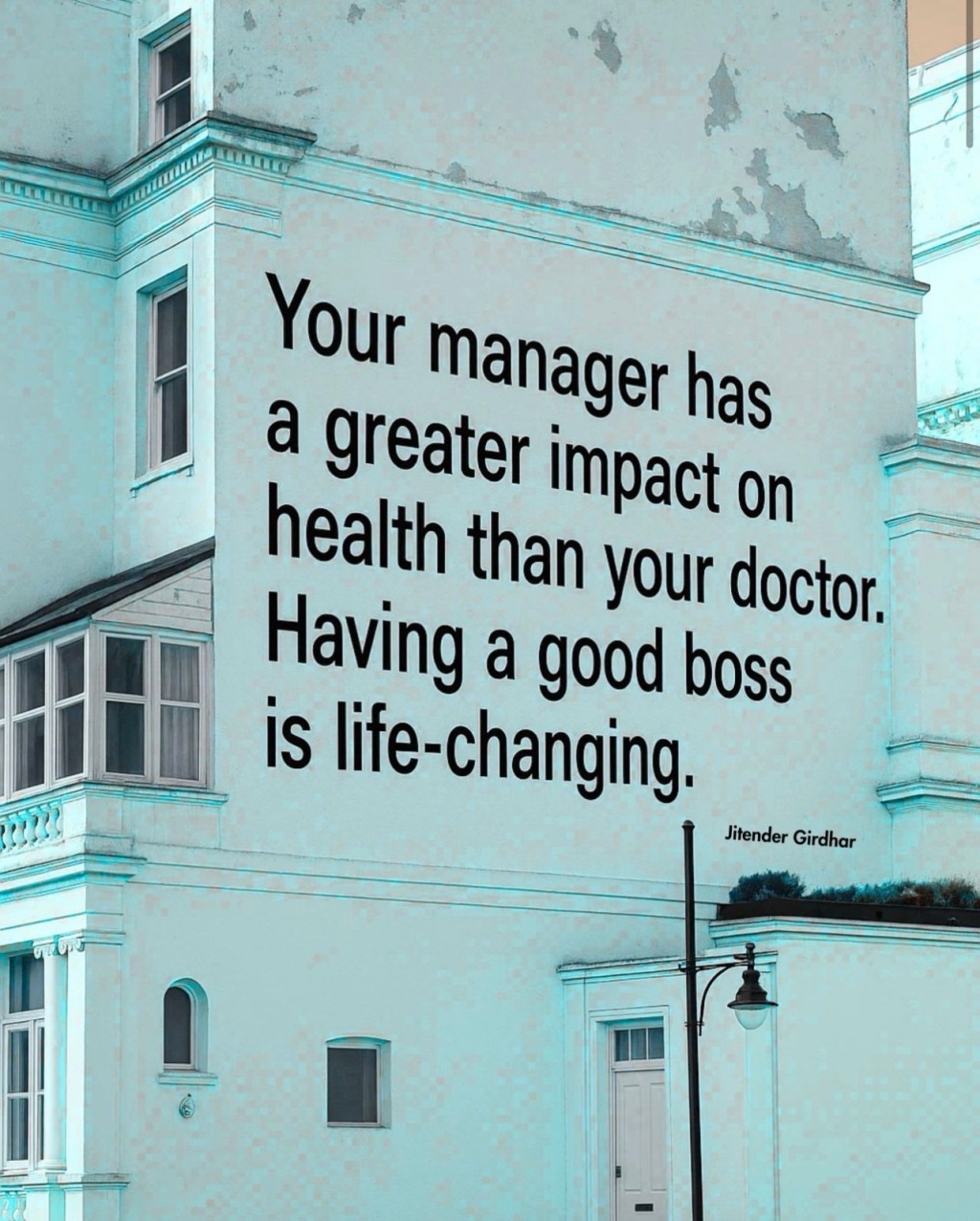
    Your manager has a greater impact on your health than your doctor.

    Here’s what good leaders do differently:

    1. Set Clear Expectations
    2. Respect Work-Life Boundaries
    3. Provide Support, Not Just Criticism
    4. Create Psychological Safety
    5. Offer Growth Opportunities
    6. Lead by Example
    7. Genuinely Care About Employees

    People don’t need perks to overcome burnout.
    People just need leaders who:

    ❌ Don’t: Ignore signs of stress.
    ✔️ But: Actively care for their team’s mental health.

    ❌ Don’t: Value overwork more than well-being.
    ✔️ But: Encourage balance, both at work and at home.

    ❌ Don’t: Demand more than they give.
    ✔️ But: Create environments where people feel supported.

    ❌ Don’t: Treat performance as the only measure of value.
    ✔️ But: Recognize the whole person and their well-being.

    ❌ Don’t: Let burnout go unaddressed.
    ✔️ But: Treat it as a serious issue that requires attention and care.

    For healthy, engaged teams, burnout isn’t an option, it’s a signal to lead better.

    The deeper question:
    Are we creating work environments that heal, or ones that burn people out?

    ♻️ Repost to highlight the importance of great leadership
    ➕ Follow for more

  • KINDNESS MATTERS…By Dana Anden

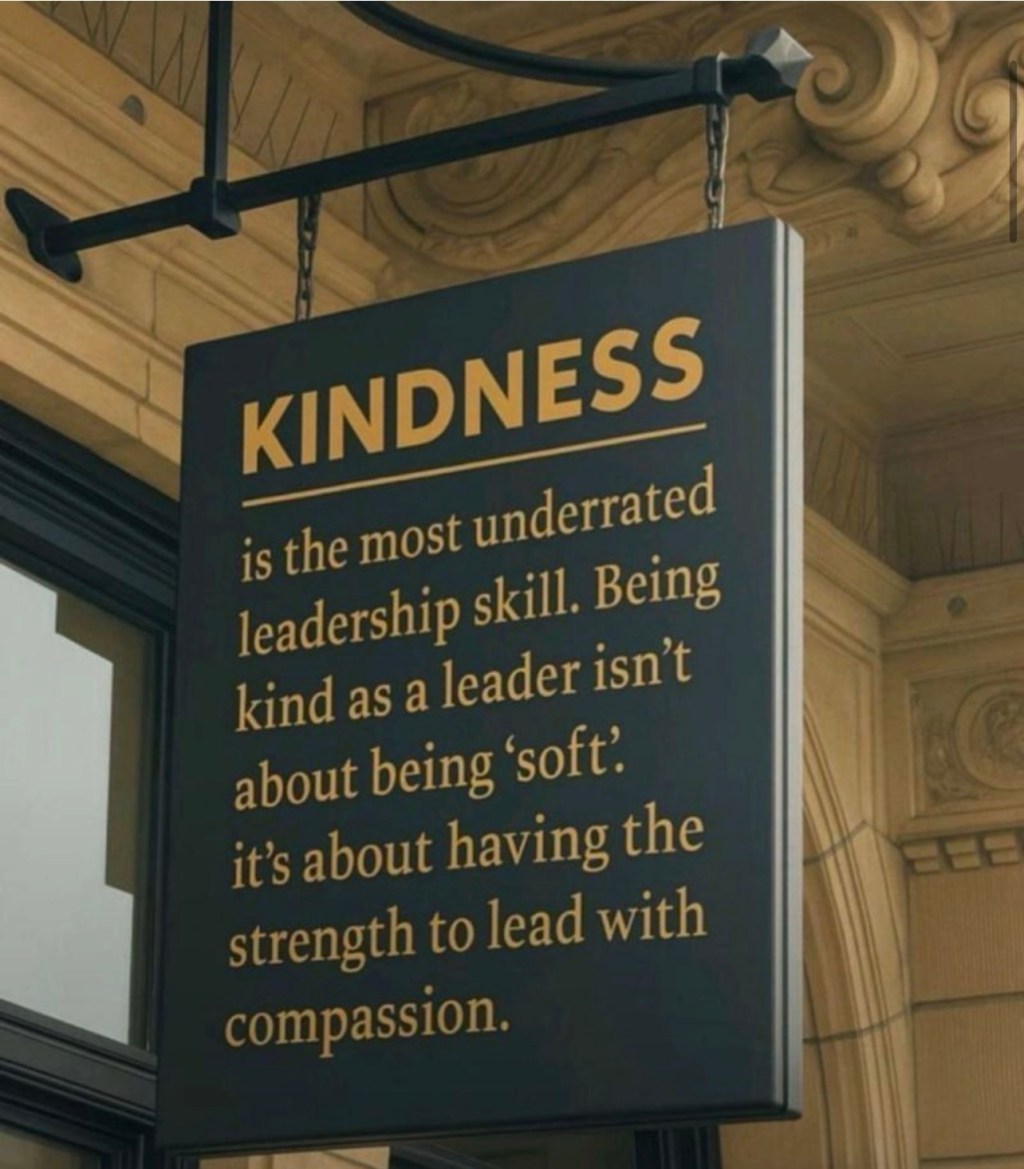
    Kindness in leadership isn’t a weakness — it’s a strength.

    When leaders lead with kindness, they create safety. And when people feel safe, they show up fully: they speak up, take ownership, and stretch themselves beyond what’s required.

    Kindness means:

    • Listening before reacting
    • Supporting people through challenges, not just celebrating results
    • Treating mistakes as learning moments, not failures

    When staff feel genuinely supported, they don’t just do the minimum — they want to do their best. They work harder not out of fear, but out of trust and respect.

    The result? An environment people want to work in. A culture people are proud of.
    And performance that’s sustainable, not forced.

    Strong leaders don’t rely on authority alone. They lead with kindness — and that’s what makes them truly powerful.

  • MONITORING vs. MOTIVATING…

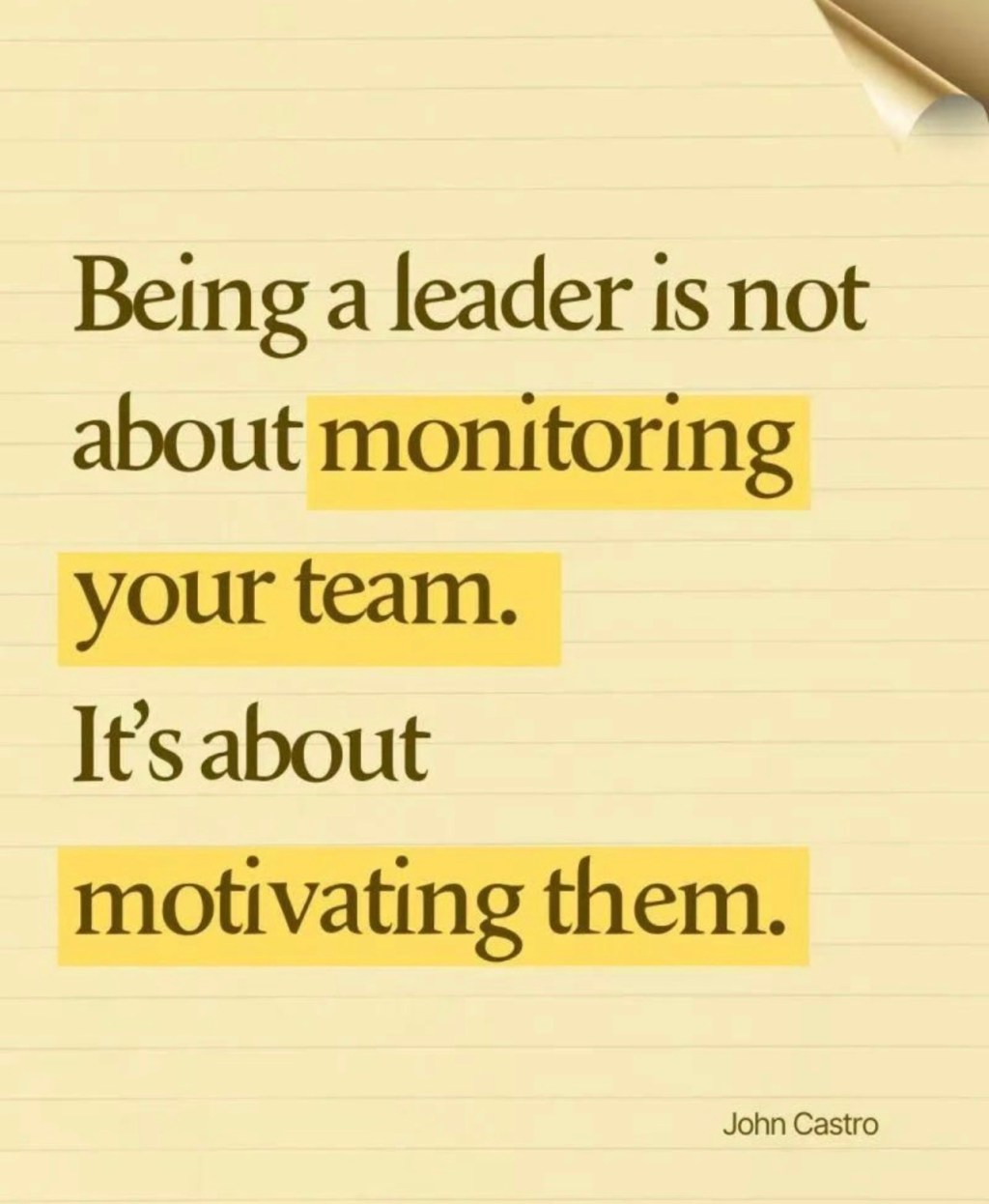
    Many believe leadership is defined by oversight—tracking hours, monitoring outputs, and managing every detail. But true leadership isn’t found in a spreadsheet; it’s found in the human spirit. Being a leader is not about monitoring your team. It’s about motivating them.

    Control may yield compliance, but only inspiration yields excellence. When you shift your focus from “Are they working?” to “Do they feel valued?”, you unlock a reservoir of potential that surveillance can never reach.

    Your role is to be the spark, not the shadow. Fuel their passion, celebrate their progress, and watch as they achieve things they never thought possible. Move from management to movement.

  • SERVANT LEADERSHIP…

    SERVANT LEADERSHIP…

    By Victoria Repa | BetterMe CEO & Founder

    True leadership isn’t about being #1.

    It’s about treating everyone like they’re #1:

    ↳ your team,
    ↳ your clients and audience,
    ↳ your partners and peers.

    That’s why servant leadership is the new standard.

    But most leaders confuse it with being convenient.
    And that almost always ends with a loss of effectiveness.

    Because a team doesn’t need someone who agrees with everything.

    A team needs someone who protects what truly matters:
    growth and the ability to speak openly.

    Because true service is about creating the conditions
    where people can do their best work.

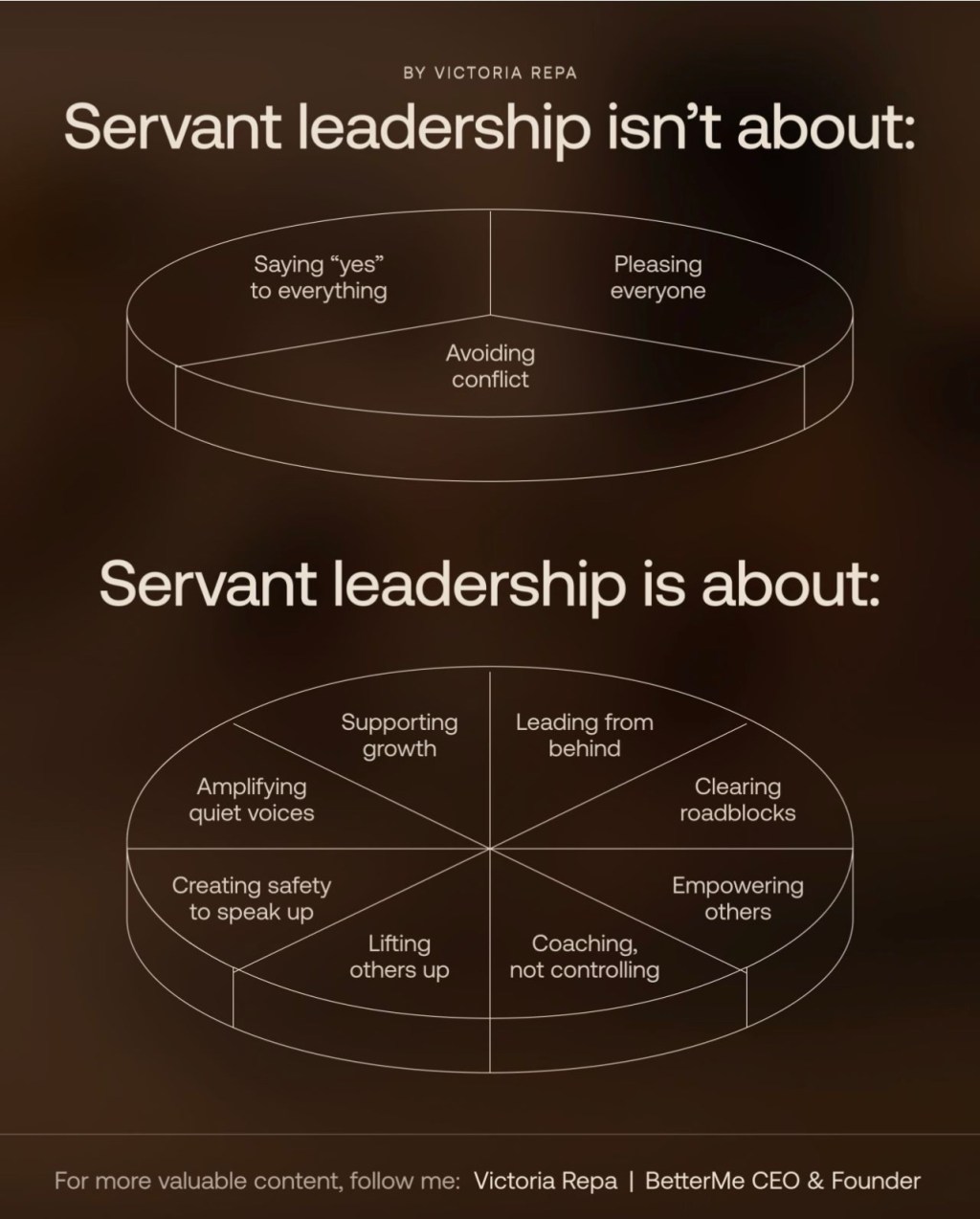
    Servant leadership isn’t about:

    • Avoiding conflict
    • Pleasing everyone
    • Saying “yes” to everything

    Servant leadership is about:

    • Lifting others up
    • Supporting growth
    • Empowering others
    • Clearing roadblocks
    • Leading from behind
    • Amplifying quiet voices
    • Coaching, not controlling
    • Creating safety to speak up

    Strong leaders don’t try to please everyone.
    They transform:

    → Control → into coaching.
    → Politics → into clear agreements.
    → “I’ll decide” → into “I’ll help you decide.”
    → Fear of mistakes → into the courage to speak up.

    Because when there’s space to speak openly,
    people don’t hold back.

    They challenge.
    They contribute.
    They take ownership.

    And that’s how effectiveness happens.

    Which habit of a convenient leader do you see most often in teams?
    __

    ♻️ Share this if you agree.

    ☝️ For more valuable content, follow me.

  • HEALTHY CULTURE…By Jitender Girdhar

    Culture is not about perks or slogans.

    It’s about what people say under pressure.

    You don’t need rocket science to know if culture’s broken.

    Just listen to daily conversations.

    Toxic culture wins when no one speaks up.
    And positive culture lives in honest conversations.

    Culture isn’t destroyed by one act,
    It’s eroded by daily language.

    If words don’t feel safe, the culture isn’t either.

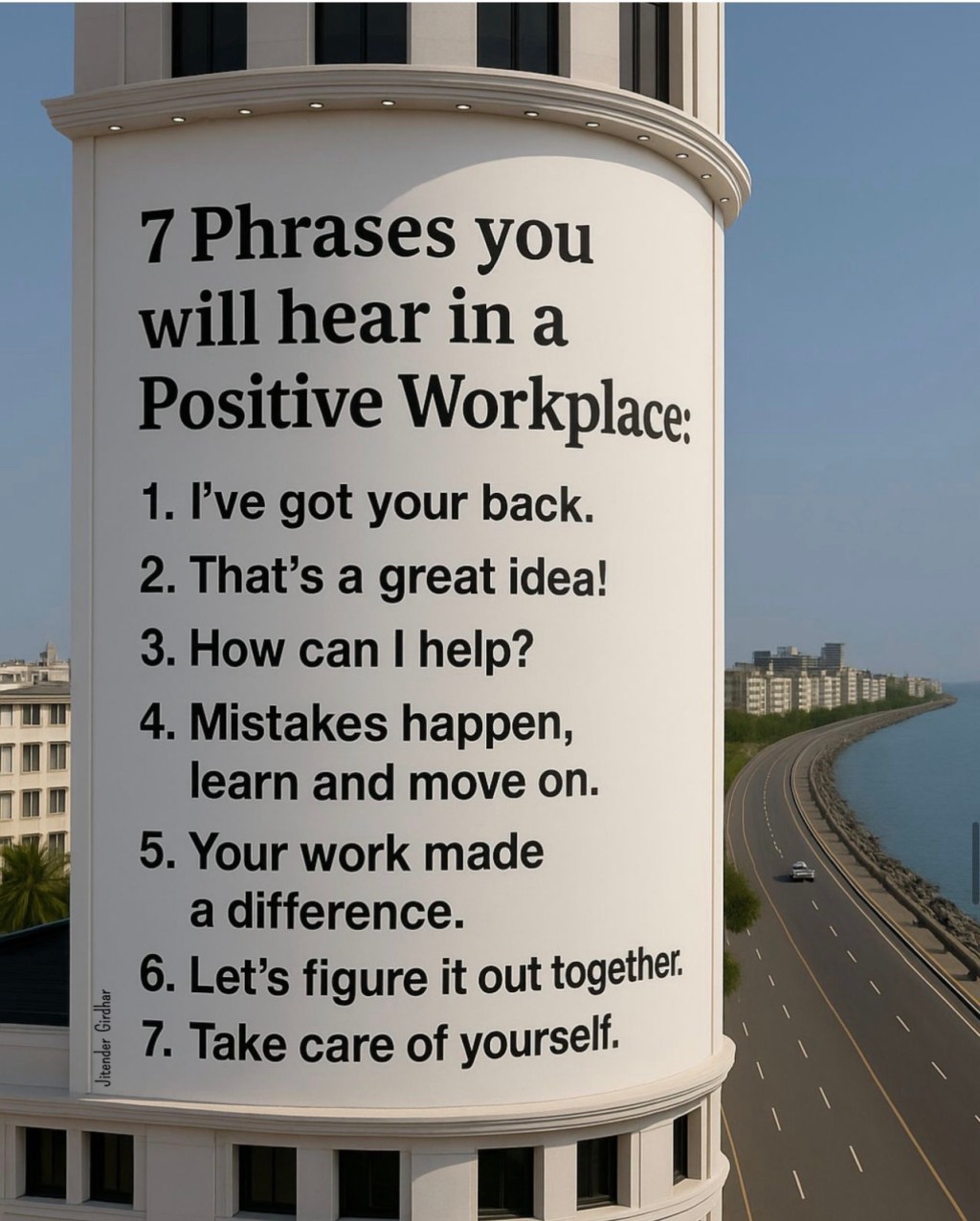
    Here are 7 phrases you’ll often hear in healthy, high-trust environments:

    1. “I’ve got your back.”
      → Safety isn’t just physical, it’s emotional.
    2. “That’s a great idea!”
      → Recognition fuels creativity.
    3. “How can I help?”
      → Support beats silence every time.
    4. “Mistakes happen, learn and move on.”
      → Growth over blame.
    5. “Your work made a difference.”
      → People stay where they feel valued.
    6. “Let’s figure it out together.”
      → Collaboration, not isolation.
    7. “Take care of yourself.”
      → Real productivity starts with well-being.

    Workplaces aren’t just about tasks.
    They’re about how people feel while doing them.

    Culture isn’t built through perks or posters.

    It’s built in the way people speak to each other, especially in tough moments.

    If the culture is healthy, the language will show it.

    Which of these phrases have you heard, or said, at work recently?

    ♻️ Repost to promote healthy workplace culture

  • BE REAL…From Leadership First

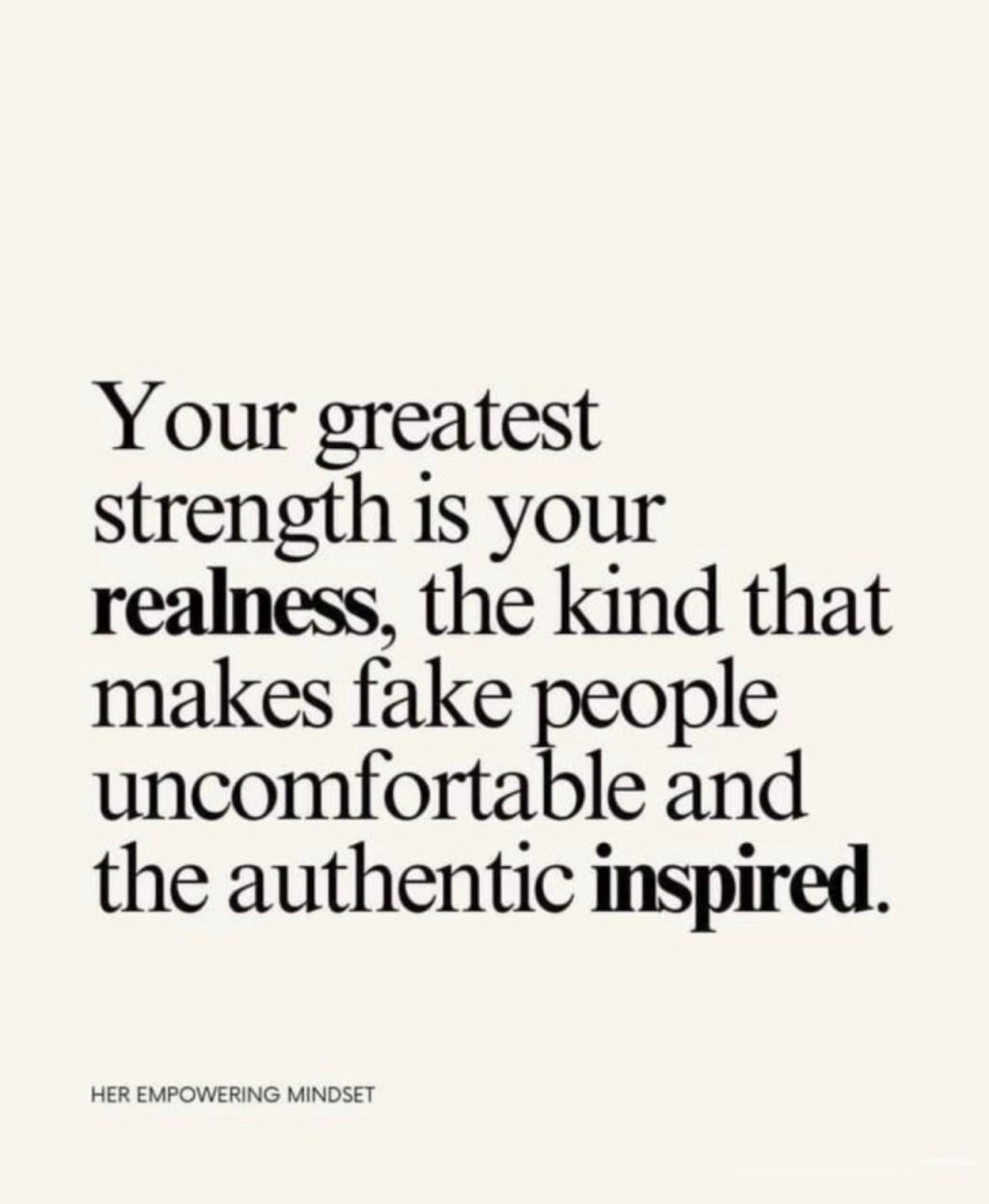
    In a world obsessed with curated perfection and polished masks, your most revolutionary act is simply being yourself. Your greatest strength is your realness—the kind that makes fake people uncomfortable and the authentic inspired.

    Authenticity acts as a natural filter. It repels those who benefit from facades and attracts the souls who crave genuine connection and honest leadership. When you lead with your true self, you give others the silent permission to do the same. Never dim your light to make others comfortable.

    True impact is born from vulnerability, not a script. Stay real; the right people are watching.

  • OUR LEGACY…By Jaclyn Bianco, Oro Bianco Hospitality

    No guest has ever walked into a restaurant asking to see the org chart — they walk in wanting to feel welcomed, seen, and taken care of.

    That’s the essence of hospitality.

    In our industry, this is everything.

    Guests don’t remember reporting structures. They remember how they were greeted at the door. How a manager handled a mistake. How a server made them feel celebrated.

    Teams don’t remember your job description. They remember how you showed up on the hardest shifts.

    In multi-unit environments especially, it’s easy to get absorbed in KPIs, labor targets, expansion plans, and performance dashboards. Those metrics matter. But they are not the legacy.

    The real legacy in hospitality is emotional.

    It’s:

    • The culture you protect when pressure rises.
    • The standards you hold when it would be easier to cut corners.
    • The confidence you build in new managers.
    • The way your team feels walking into work.

    Titles change. Markets shift. Concepts evolve.

    But people never forget how you made them feel — whether they were celebrating, learning, overwhelmed, or simply trying to get through a long shift.

    Operational excellence builds consistency.
    Emotional intelligence builds loyalty.

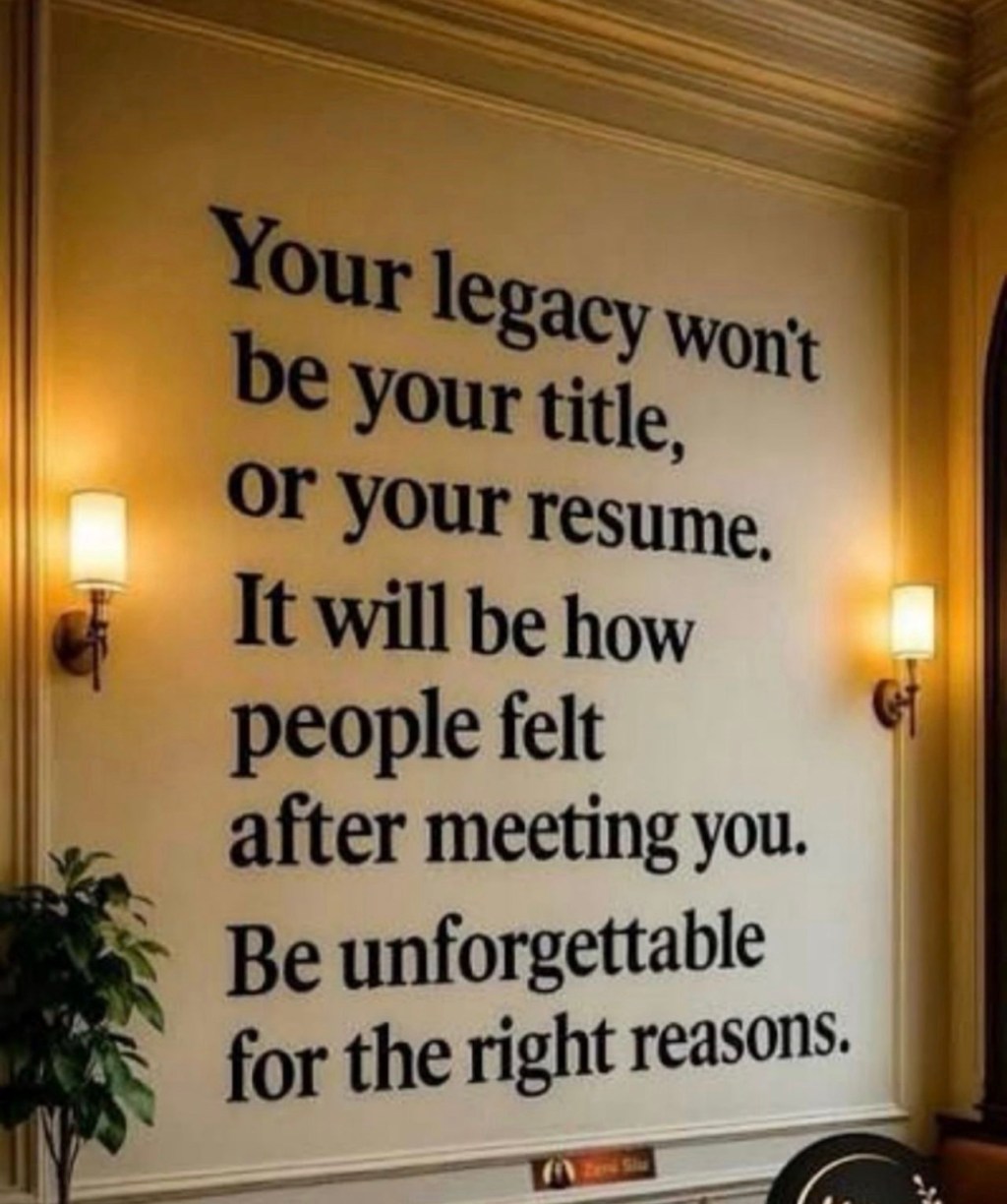
    Be unforgettable for the right reasons.